
Meta Description: Bake a traditional Christmas fruit cake that’s rich, moist, and perfectly spiced. This beloved holiday recipe soaks fruits and ages beautifully!
There are few things more evocative of Christmas than the rich aroma of traditional Christmas fruit cake baking in the oven. The scent of warm spices mingles with sweet dried fruits. Butter and brown sugar create depth. The whole house smells like heritage and celebration.
This isn’t just any cake. It’s the recipe grandmothers passed down through generations. It’s the cake that improves with age, growing richer and more flavorful as Christmas approaches. It’s the dessert that connects us to holidays past while creating new memories today.
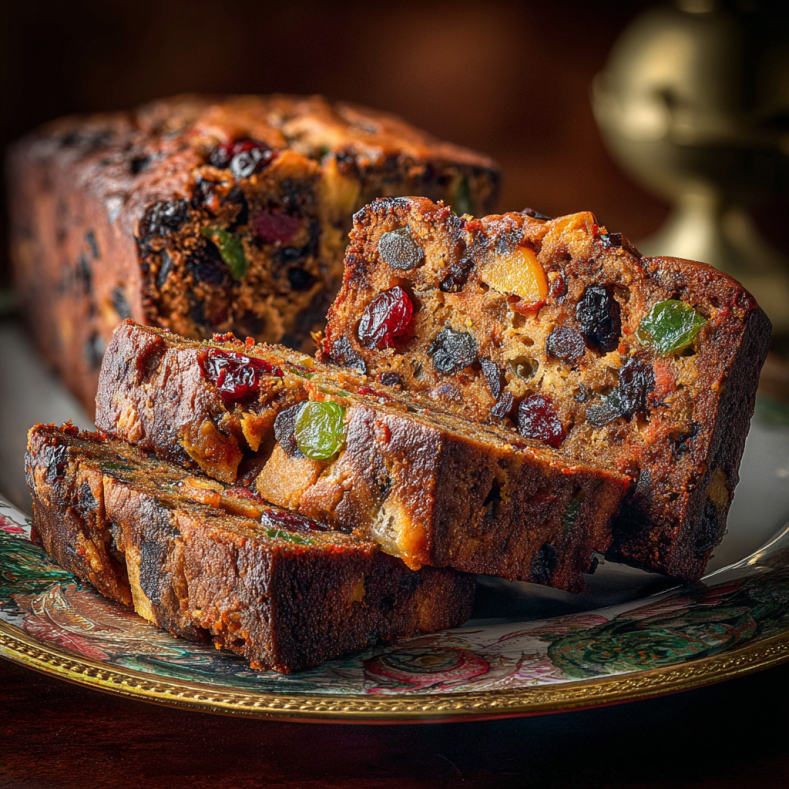
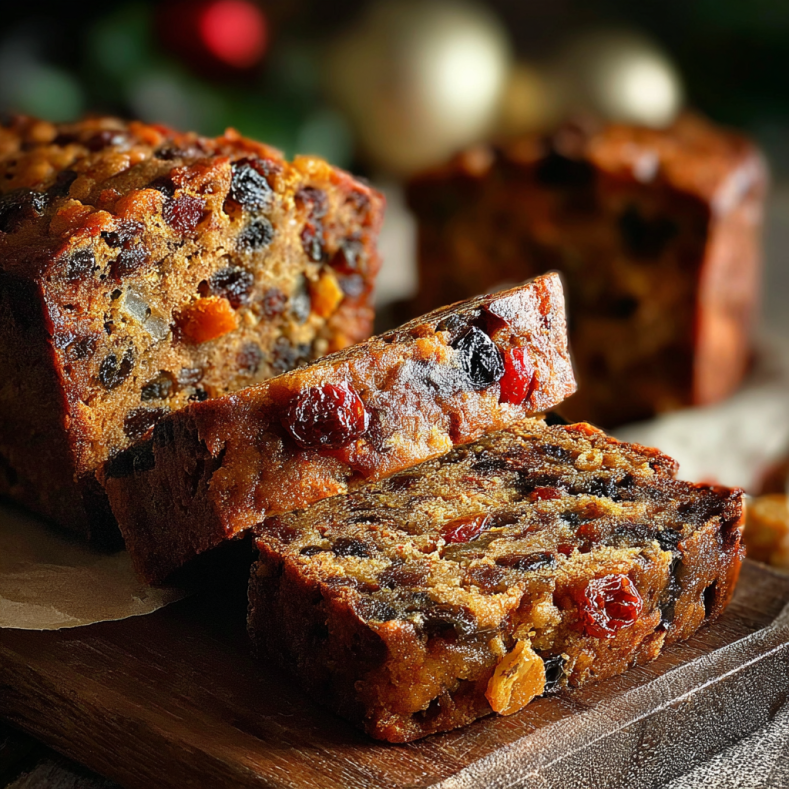
Moist fruit cake recipe secrets have been whispered in kitchens for centuries. The key lies in proper fruit soaking, quality ingredients, and patient aging. When done right, this cake stays tender and delicious for weeks, even months. Each slice reveals jewel-like fruits suspended in dense, spiced crumb.
Whether you’re continuing a family tradition or starting a new one, this holiday fruit cake deserves its place on your Christmas table. It’s more labor of love than complicated technique. It’s time invested that pays dividends in flavor and nostalgia.
Let’s bake something that tastes like Christmas itself.
The Magic Behind a Traditional Fruit Cake
A Heritage Worth Preserving
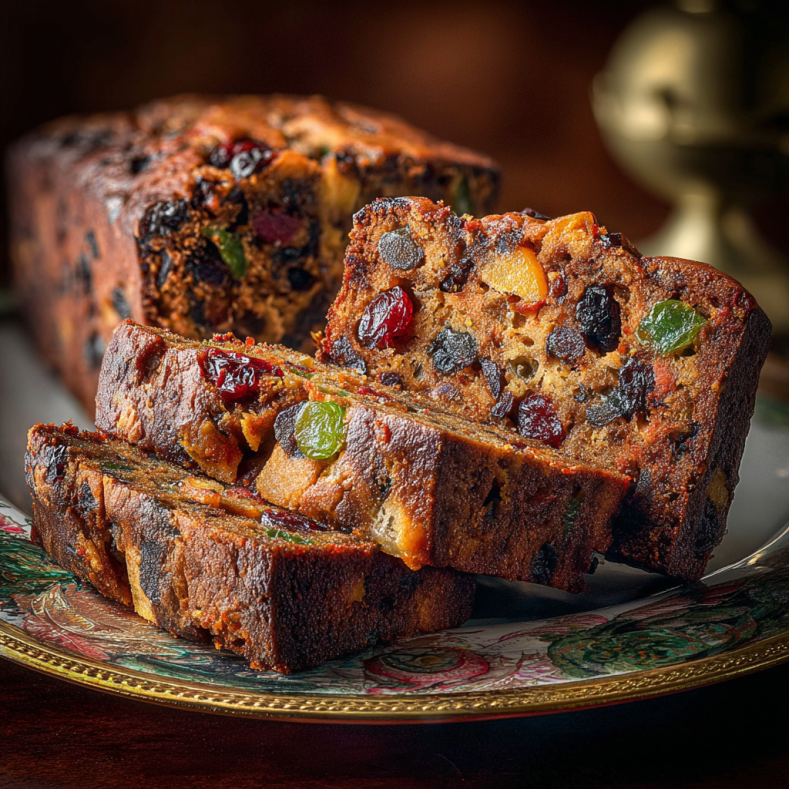
Christmas fruit cake has graced holiday tables for centuries. Originally, dried fruits preserved summer’s sweetness for winter celebrations. Spices like cinnamon and nutmeg were precious luxuries. The cake represented abundance and special occasion.
Today, we bake it not out of necessity but tradition. The ritual of mixing fruits, the anticipation as it ages, the ceremony of cutting the first slice—these moments connect us to generations past. Each bite carries history.
The cake’s density and richness made it ideal for long storage. Before refrigeration, a well-made fruit cake kept for months. Families could bake in November and serve through January. That practicality combined with deliciousness created an enduring tradition.
Why Alcohol Makes a Difference
Many traditional recipes include rum, brandy, or whiskey. The alcohol serves multiple purposes beyond flavor. It acts as a preservative, allowing the cake to age safely at room temperature. It also keeps the cake incredibly moist.
As the cake ages, the alcohol mellows and distributes throughout. Sharp alcohol taste disappears, leaving only depth and complexity. The fruits absorb it, becoming plump and flavorful. The cake itself develops richer, more nuanced taste.
For those avoiding alcohol, fruit juice works as a substitute. While it won’t preserve as long, it still creates delicious results. The soaking process remains crucial regardless of liquid choice.
The Art of Patience
Unlike most baking, fruit cake rewards waiting. Freshly baked, it’s good. Aged for weeks, it’s extraordinary. The flavors meld and deepen. The texture becomes even more tender. Each week of aging enhances the final product.
This makes fruit cake perfect for holiday planning. Bake in November. Feed it with spirits weekly. By Christmas, you have something special that required minimal last-minute effort. Your December self will thank your November self.
The aging process also builds anticipation. Each time you unwrap and “feed” the cake, you’re participating in ritual. That engagement makes the final reveal more meaningful.
Essential Ingredients for Christmas Fruit Cake
The Fruit Foundation
For Jewel-Like Color and Flavor:
- 2 cups raisins (golden and/or dark)
- 1 cup dried currants
- 1 cup dried cranberries
- 1 cup dried cherries, halved
- 1 cup dried apricots, chopped
- 1 cup candied citrus peel (orange and lemon)
- 1/2 cup candied ginger, finely chopped (optional)
- Zest of 1 orange
- Zest of 1 lemon
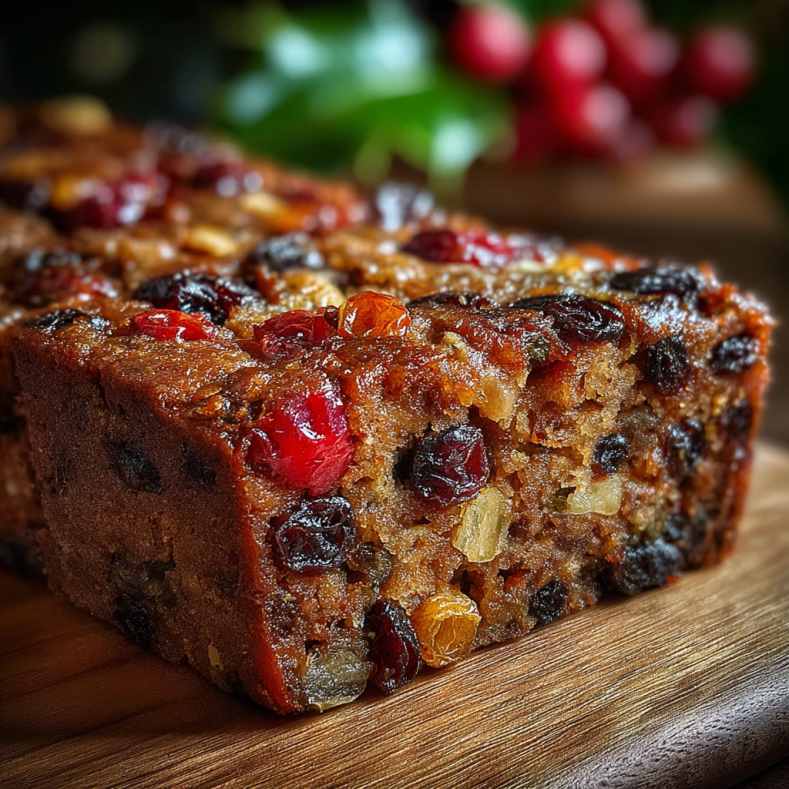
The fruit mixture creates the character of your cake. Choose quality dried fruits that feel soft and pliable. Hard, dried-out fruit won’t rehydrate properly. Mix colors for visual appeal and varied flavor.
Candied peel adds traditional citrus brightness. Make your own or buy quality versions. The peel prevents the cake from tasting too heavy or one-dimensional.
The Soaking Liquid
For Depth and Moisture:
- 1 1/2 cups dark rum, brandy, or whiskey (or use apple juice/orange juice for non-alcoholic)
- 1/4 cup molasses or dark corn syrup
- Extra liquor/juice for feeding the cake (about 1/2 cup total)
Dark rum is traditional and adds caramel notes. Brandy provides elegance and sophistication. Whiskey creates warmth and depth. Choose based on your preference.
The molasses adds color and rich, almost smoky sweetness. It also helps keep the cake dark and moist. Don’t skip this ingredient.
The Cake Base
For Structure and Spice:
- 1 cup unsalted butter, softened
- 1 cup brown sugar, packed
- 4 large eggs, room temperature
- 2 cups all-purpose flour
- 1 teaspoon baking powder
- 1/2 teaspoon salt
- 2 teaspoons cinnamon
- 1 teaspoon nutmeg
- 1/2 teaspoon allspice
- 1/4 teaspoon cloves
- 1 cup chopped walnuts or pecans (optional)
- 1 teaspoon vanilla extract
- 1/2 teaspoon almond extract
Brown sugar adds moisture and caramel flavor. The spices create that signature Christmas warmth. Don’t reduce them—generous spicing is essential.
Nuts add texture and richness. Toast them first for deeper flavor. They also help distribute fruits evenly throughout the batter.
How to Soak Fruits Properly (And Why It Matters!)
The Soaking Process
Place all dried and candied fruits in a large bowl. Add citrus zests. Pour your chosen liquid over the fruits. Stir to ensure everything is coated.
Cover the bowl tightly with plastic wrap. Let sit at room temperature for at least 24 hours. Better yet, soak for 2 to 3 days. Stir once daily to redistribute liquid.
The fruits will absorb most of the liquid and become plump and glossy. They should feel soft and pliable. If any liquid remains, don’t drain it—incorporate everything into the cake.
Why Soaking Is Essential
Unsoaked dried fruit in cake batter draws moisture from the surrounding crumb. This creates a dry, crumbly cake. The fruits stay hard and unpleasant to bite into.
Properly soaked fruits release their absorbed liquid slowly during baking. This keeps the cake moist. The fruits also stay tender and burst with flavor when you bite into them.
The soaking liquid permeates every piece of fruit. This distributes flavor uniformly throughout the cake. Each bite tastes equally delicious, with no dry spots.
Quick Soak Alternative
In a rush? Warm the fruit and liquid mixture gently on the stove. Simmer for 5 minutes, then remove from heat. Let cool completely. This accelerated method works but doesn’t develop quite the same depth.
You can also microwave the fruit mixture in 30-second bursts until warm. Let it sit several hours or overnight. This speeds things up while still allowing proper absorption.
However, if you have time, the traditional cold soak produces superior results. Plan ahead when possible.
Step-by-Step Baking Instructions
Preparing Your Pan
Preheat oven to 275°F. This low temperature prevents burning while ensuring the dense cake cooks through. Higher temperatures brown the outside before the center sets.
Grease a 9-inch round cake pan or 10-inch tube pan thoroughly. Line the bottom and sides with parchment paper. This prevents sticking and makes unmolding effortless.
Some bakers use two layers of parchment and wrap the outside of the pan with foil. This extra insulation prevents over-browning during the long bake.
Making the Batter
Cream butter and brown sugar until light and fluffy, about 3 to 4 minutes. Scrape down the bowl frequently. The mixture should look pale and airy.
Add eggs one at a time, beating well after each addition. The mixture may look slightly curdled. That’s okay. It will come together when you add flour.
In a separate bowl, whisk together flour, baking powder, salt, and all spices. This distributes the leavening and spices evenly throughout the flour.
Add dry ingredients to butter mixture in three additions. Mix on low speed just until combined after each addition. Don’t overmix. Stop when no flour streaks remain.
Folding in Fruits and Nuts
The soaked fruit mixture will be heavy. Add it to the batter along with any remaining soaking liquid. Fold gently with a spatula until evenly distributed.
Add chopped nuts if using. Fold them in as well. The batter will be very thick and packed with fruits. This is correct. There should be barely enough batter to hold the fruits together.
Add vanilla and almond extracts. Give everything a final gentle fold. The batter should be dense, fragrant, and studded with colorful fruits.
Baking Low and Slow
Spoon batter into your prepared pan. Smooth the top with a spatula. The pan should be about two-thirds full. Tap gently on the counter to release air bubbles.
Place a pan of water on the bottom oven rack. This creates steam that keeps the cake moist during the long bake. Place your cake on the middle rack.
Bake for 2.5 to 3 hours. The cake is done when a skewer inserted in the center comes out clean or with just a few moist crumbs. The top should be deep brown and firm.
If the top browns too quickly, tent loosely with foil. Don’t seal it tightly—the cake needs to breathe slightly.
Cooling and Initial Feeding
Let the cake cool in the pan for 30 minutes. Then carefully turn it out onto a wire rack. Remove parchment paper. Let cool completely.
Once cool, poke holes all over the cake with a skewer. Drizzle or brush with 2 to 3 tablespoons of your liquor or juice. The cake will absorb it.
Wrap tightly in plastic wrap, then aluminum foil. Store in a cool, dark place. This begins the aging process that makes fruit cake legendary.
Delicious Variations to Try
Non-Alcoholic Version
Replace all alcohol with apple juice, orange juice, or a combination. Add 1 tablespoon of vanilla extract to the soaking liquid for depth.
Use the same feeding process but with juice instead of liquor. The cake won’t keep quite as long but will still stay moist for 2 to 3 weeks.
Add a bit more spice to compensate for the missing complexity of alcohol. An extra 1/2 teaspoon of cinnamon and nutmeg helps.
Nut-Free Adaptation
Simply omit the nuts. Increase dried fruit by 1/2 cup to maintain texture and volume. The cake will be slightly denser but equally delicious.
You can also replace nuts with chopped crystallized ginger or extra candied peel. These alternatives add texture and flavor without allergen concerns.
Gluten-Free Holiday Cake
Use a quality gluten-free flour blend designed for baking. Look for one containing xanthan gum. Bob’s Red Mill 1-to-1 works well.
The cake may be slightly more crumbly than traditional versions. Adding an extra egg helps bind everything together.
All other ingredients and techniques remain the same. The soaking and aging process works identically.
Lighter Tropical Version
Replace traditional fruits with tropical dried fruits. Use pineapple, mango, papaya, and coconut. Soak in coconut rum or pineapple juice.
Add 1/2 cup shredded coconut to the batter. Use macadamia nuts instead of walnuts. Replace spices with 1 tablespoon fresh grated ginger and 1 teaspoon cardamom.
This variation tastes less traditional but equally festive. It’s perfect for those who find classic fruit cake too heavy.
Storage and Aging Tips
The Feeding Ritual
Once a week, unwrap your cake. Poke a few new holes with a skewer. Drizzle with 1 to 2 tablespoons of liquor or juice. Rewrap tightly.
This weekly feeding keeps the cake moist and adds flavor. It also gives you a chance to check on it. The cake should feel heavy and slightly damp to touch.
Continue feeding for 3 to 6 weeks before Christmas. Some bakers age their cakes for months. The longer it ages, the more mellow and complex it becomes.
Proper Storage Conditions
Store wrapped cake in a cool, dark place. A pantry or cupboard away from heat sources works perfectly. Avoid the refrigerator unless your home is very warm.
The ideal storage temperature is 60-70°F. Too warm and the cake may spoil. Too cold and it becomes hard and dry. Room temperature is perfect.
Check weekly for any signs of mold. Properly made and fed, this shouldn’t happen. But vigilance ensures safety. Any off smell or appearance means discarding the cake.
Long-Term Keeping
A well-made, properly fed traditional Christmas fruit cake keeps for months. Some Victorian recipes claim years. Modern food safety recommends 3 to 6 months maximum.
The cake actually improves through about 8 weeks of aging. After that, it plateaus. It doesn’t get worse, but it doesn’t dramatically improve either.
For extended storage, freeze after initial aging. Wrap tightly and freeze for up to a year. Thaw in the refrigerator 2 days before serving. Feed once more after thawing.
Decorating Ideas for Your Holiday Cake
Traditional Marzipan and Fondant
Roll marzipan into a thin sheet. Brush cake with warmed apricot jam. Cover completely with marzipan, smoothing to eliminate air bubbles.
Let marzipan dry for 24 hours. Then cover with rolled fondant. This creates that classic smooth, white Christmas cake appearance.
Decorate with royal icing piped in festive patterns. Add sugared fruits, holly leaves, or other Christmas motifs. This traditional approach looks stunning.
Simple Glaze Options
For easier decoration, make a simple glaze. Mix powdered sugar with milk or liquor until pourable. Drizzle over the cake and let it drip down the sides.
Add candied cherries and angelica arranged in festive patterns. Dust with powdered sugar for a snowy effect. This looks charming without requiring advanced skills.
Rustic Topped Version
Leave the cake undecorated except for a arrangement of whole nuts and dried fruits pressed into the top before baking. Brush with apricot glaze after cooling.
This rustic approach showcases the cake’s natural beauty. It also tells guests exactly what flavors to expect inside. Simple but effective.
Festive Ribbon
Wrap a beautiful ribbon around the cake’s circumference. Tie in a bow. Add a sprig of fresh or faux holly. This no-fuss decoration looks elegant and festive.
The ribbon also helps hold the cake together if it’s very moist. It adds a gift-like presentation perfect for giving or serving at gatherings.
Pro Tips for Perfect Fruit Cake
Soak fruits for at least 24 hours. This single step makes the biggest difference in final texture. Don’t rush it. Plan ahead for best results.
Use quality dried fruits. Fresh, soft dried fruit creates better cake than hard, old fruit. Shop at stores with good turnover. Buy from bulk sections when possible.
Bake low and slow. The 275°F temperature seems very low. Trust it. Higher heat burns the outside before the inside cooks. Patience creates perfection.
Feed regularly during aging. Weekly feeding keeps the cake moist and builds flavor. Set a phone reminder. Make it part of your Sunday routine.
Wrap tightly between feedings. Air exposure dries the cake out. Double wrap with plastic and foil. Store in a cool, dark place away from strong odors.
Conclusion: A Taste of Christmas Past and Present
Traditional Christmas fruit cake connects us to centuries of holiday celebration. Each slice carries memories of Christmases past. Each bite creates moments worth savoring with family gathered around.
This moist fruit cake recipe proves that traditional doesn’t mean difficult. Yes, it requires time. But the actual work is minimal. The aging process happens while you go about your life. The result is something truly special.
Whether you’re reviving a family recipe or starting a new tradition, this cake deserves its place on your holiday table. Bake it in November. Feed it through December. Slice it on Christmas with pride and anticipation.
The rich, spiced crumb studded with jewel-like fruits tastes exactly like Christmas should taste. One bite transports you to holidays filled with warmth, tradition, and love. That’s the magic worth preserving.
So gather your fruits and spices. Pour the rum with ceremony. Mix the batter with intention. Bake something that honors tradition while creating new memories.
Merry Christmas, and happy baking.
Frequently Asked Questions
Can I make this fruit cake without alcohol?
Absolutely! Replace all alcohol with apple juice, orange juice, or a combination. The cake will be equally delicious. Add an extra tablespoon of vanilla extract to the soaking liquid for depth.
Use the same soaking and feeding process with juice. The cake won’t preserve as long as alcoholic versions but will keep well for 2 to 3 weeks refrigerated.
The flavor will be slightly different—fruitier and less complex. But for those avoiding alcohol, it’s an excellent alternative that maintains the traditional texture and appearance.
Many bakers make both versions. The alcoholic one for adults who enjoy it, and juice-soaked for children and those who prefer it. Both turn out beautifully.
How long should I soak the fruits before baking?
Minimum 24 hours for adequate hydration. Ideally, soak for 2 to 3 days. The longer soak allows fruits to fully plump and absorb maximum flavor.
Some traditional recipes call for soaking fruits for weeks. While this creates incredible results, it’s not practical for most modern bakers. A few days produces excellent cake.
If you’re truly rushed, you can quick-soak by warming the fruit and liquid mixture gently. Simmer 5 minutes, cool completely, and proceed. This works but isn’t ideal.
Plan your baking timeline to allow proper soaking. The small extra time investment pays huge dividends in the final cake’s texture and moisture.
Can I freeze Christmas fruit cake?
Yes! Holiday fruit cake freezes beautifully. Wrap the aged cake tightly in plastic wrap, then aluminum foil. Place in a freezer bag for extra protection. Freeze for up to one year.
Thaw in the refrigerator for 24 to 48 hours before serving. Don’t thaw at room temperature—this creates condensation that makes the cake soggy.
After thawing, you can feed the cake once more with liquor or juice. This refreshes it and adds extra moisture. Let it rest at room temperature for a few hours before slicing.
Freezing actually works as extended aging. The cake continues developing flavor in the freezer, just more slowly. Some bakers prefer frozen-and-thawed cakes to fresh ones.
Why does my fruit cake dry out?
Insufficient soaking is the main culprit. Unsoaked or barely soaked fruits draw moisture from the cake during baking. Always soak fruits thoroughly for at least 24 hours.
Overbaking also causes dryness. The low temperature and long bake time seem extreme, but they’re necessary. Check for doneness at 2.5 hours. Remove promptly when a skewer comes out clean.
Not feeding during aging leads to gradual drying. The weekly feeding ritual keeps moisture levels high. Don’t skip this step if you want moist fruit cake recipe results.
Improper storage allows moisture to escape. Always wrap tightly in plastic wrap and foil between feedings. Store in a cool, dark place away from air circulation.
How early should I bake Christmas fruit cake?
Traditional timing is 6 to 8 weeks before Christmas. This allows proper aging and flavor development. Baking in early November for Christmas Day is perfect.
However, the cake can be made 3 to 6 months ahead if properly stored and fed. Some Victorian recipes aged cakes for a year before serving. Modern food safety suggests 3 to 6 months maximum.
The minimum aging time is 2 weeks. Less than that and the flavors haven’t fully melded. The texture won’t have reached its peak either. Two weeks is the absolute minimum for good results.
For first-time bakers, aim for 4 weeks of aging. This provides enough time for proper development without requiring months of advance planning. It’s the sweet spot for planning and results.