
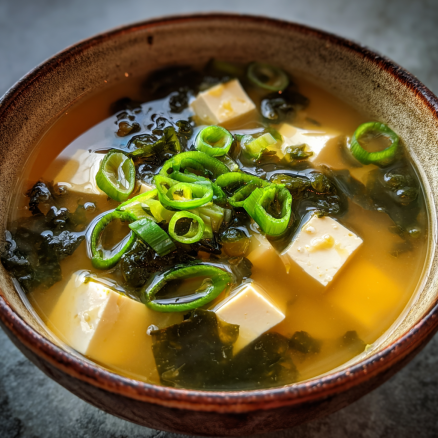
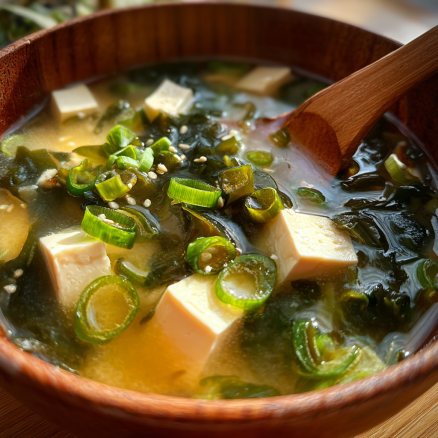
Make authentic miso soup with tofu at home. This easy Japanese recipe brings comforting umami flavors to your bowl in just 15 minutes.
There’s something deeply comforting about a bowl of miso soup with tofu. The warm broth soothes your soul. The delicate tofu melts on your tongue. Each spoonful brings gentle, savory satisfaction.
This isn’t just soup. It’s a moment of calm in your busy day. It’s centuries of Japanese tradition in a simple bowl. It’s nourishment that feels like a warm embrace.
The beauty of this Japanese miso soup recipe lies in its simplicity. You need only a handful of ingredients. Most take less than 15 minutes from start to finish. Yet the depth of flavor rivals restaurant versions.
Whether you’re looking for a light breakfast, a soothing starter, or a gentle meal when you’re under the weather, easy miso soup delivers. It’s time to bring this comforting classic into your kitchen.
Let’s create something simple, nourishing, and absolutely delicious.
What Makes Miso Soup Special
The Power of Umami
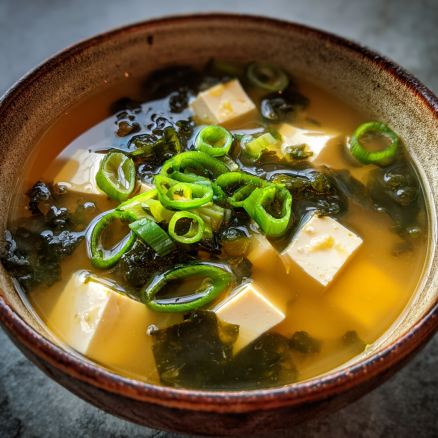
Miso soup showcases umami at its finest. This fifth taste sensation creates deep, savory satisfaction that’s hard to describe but impossible to forget.
The fermented miso paste provides the foundation. Dashi broth adds layers of complexity. Together, they create a flavor profile that’s both subtle and profound.
This umami richness means you need very few ingredients. The soup tastes complete without heavy cream, butter, or excessive salt. Simple ingredients create sophisticated flavor.
Beautiful Simplicity
Traditional Japanese miso soup recipe embraces minimalism. A few quality ingredients arranged thoughtfully in a bowl. Nothing unnecessary. Nothing wasted.
This simplicity isn’t boring. It’s intentional. Each ingredient has purpose and presence. The tofu provides protein and silky texture. The seaweed adds minerals and ocean essence. The green onions bring freshness and color.
The result is balanced, harmonious, and deeply satisfying. It’s food that respects both ingredients and eater.
Rooted in Tradition
Miso soup has nourished Japanese families for centuries. It appears at breakfast tables across Japan. It starts traditional meals as a palate-awakening course.
This connection to tradition adds meaning to each bowl. You’re not just making soup. You’re participating in a cultural practice that spans generations.
Yet the recipe adapts beautifully to modern life. Quick weeknight dinners. Meal prep lunches. Late-night comfort food. Miso soup fits seamlessly into contemporary routines.
Health Benefits Worth Noting
Beyond comfort and flavor, miso soup offers genuine health benefits. The fermented miso contains probiotics that support gut health. The tofu provides complete protein. The seaweed delivers essential minerals.
The light, broth-based nature makes it gentle on digestion. It hydrates while nourishing. Many people find it soothing when feeling unwell.
Low in calories but high in satisfaction, it’s a smart choice for anyone seeking balanced, mindful eating.
Essential Ingredients for Authentic Miso Soup
The Foundation: Dashi and Miso
For the Base:
- 4 cups dashi broth (the traditional base)
- 3 to 4 tablespoons miso paste (white, red, or mixed)
- 1 cup silken tofu, cubed (soft and delicate)
- 2 tablespoons dried wakame seaweed (reconstitutes in broth)
- 2 green onions, thinly sliced (for freshness and color)
The dashi broth is crucial. It’s made from kombu (kelp) and bonito flakes (dried fish). This combination creates that distinctive umami depth. You can buy instant dashi granules or make it from scratch.
Miso paste comes in several varieties. White miso (shiro miso) is mild and slightly sweet. Red miso (aka miso) is stronger and saltier. Each brings different character to your soup.
Optional Enhancements
For Extra Flavor and Texture:
- Shiitake mushrooms, sliced (adds earthiness)
- Baby spinach or bok choy (provides greens)
- Enoki mushrooms (delicate and beautiful)
- Nori sheets, cut into strips (different seaweed option)
- Sesame seeds (for garnish)
These additions aren’t traditional in every version. But they add variety and nutrition. Choose based on what appeals to you and what’s available.
Step-by-Step Instructions
Preparing Your Ingredients
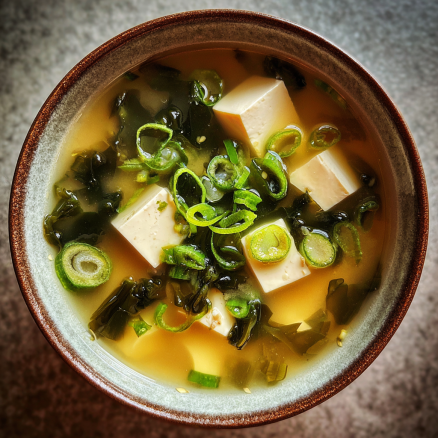
Start by cubing your silken tofu. Use a sharp knife and gentle pressure. Silken tofu is delicate and breaks easily. Cut into 1/2-inch cubes. Set aside on a plate.
Slice your green onions thinly. Separate the white parts from the green. The white parts cook slightly in the soup. The green parts add fresh color at the end.
If using fresh mushrooms, slice them thinly. If using dried wakame, place it in a small bowl. No need to rehydrate separately—it will soften in the hot soup.
Making the Dashi Broth
If using instant dashi, simply dissolve the granules in hot water according to package directions. This is the quickest method and works perfectly well.
For homemade dashi, add a piece of kombu (about 4 inches) to cold water in a pot. Heat gently over medium heat. Remove the kombu just before the water boils.
Add a handful of bonito flakes. Let them steep for 2 minutes, then strain. The result is a clear, flavorful broth with remarkable depth.
Homemade dashi takes a bit more time. But the flavor difference is noticeable. Consider making a larger batch and freezing portions for future use.
Adding the Miso
This step requires care. Never boil miso paste directly. High heat destroys the beneficial probiotics and can make the soup bitter.
Remove your dashi from direct heat or reduce to the lowest setting. Scoop some hot broth into a small bowl. Add your miso paste to this bowl.
Use a whisk or fork to dissolve the miso completely. Stir until smooth with no lumps. Pour this mixture back into the main pot.
Stir gently to distribute evenly. The soup should be steaming but not boiling. This preserves the miso’s delicate flavor and health benefits.
Adding Tofu and Wakame
Drop your wakame directly into the soup. It will expand and soften within seconds. You need very little—it increases significantly in volume.
Add your cubed silken tofu gently. Use a spoon to slide the cubes into the broth. Don’t stir vigorously. Silken tofu breaks apart easily. Gentle movement keeps the cubes intact.
Let everything heat through for 1 to 2 minutes. The soup should be hot but still not boiling. You want the tofu warmed through, not cooked aggressively.
Final Touches
Add the white parts of your sliced green onions. Let them cook for just 30 seconds. They’ll soften slightly but retain some bite.
Taste your soup. Adjust seasoning if needed. Want more umami depth? Add a bit more miso. Prefer lighter flavor? Add a splash more dashi.
Ladle into bowls. Sprinkle the green parts of the onions on top. Serve immediately while hot.
Delicious Variations to Explore
Mushroom Lover’s Miso Soup
Add a variety of mushrooms for earthy complexity. Shiitake, enoki, and oyster mushrooms all work beautifully. Slice them thinly and add to the dashi before the miso.
Mushrooms boost the umami factor even more. They also add satisfying texture and visual interest. This version feels heartier and more substantial.
For extra richness, sauté the mushrooms briefly in sesame oil before adding to the soup. This deepens their flavor considerably.
Green Miso Soup
Add leafy greens for color and nutrition. Baby spinach, bok choy, or mizuna all work well. Add them at the very end so they wilt but stay vibrant.
This variation increases the vegetable content significantly. It makes the soup feel more like a complete light meal. The greens add pleasant texture contrast to the soft tofu.
You can also add thinly sliced cabbage or napa cabbage. These need a bit more cooking time. Add them before the tofu so they soften properly.
Protein-Boosted Miso Soup
Add extra protein for a more filling meal. Small shrimp cook quickly in the hot broth. Add them a minute before the tofu. They’ll turn pink and cook through rapidly.
Thinly sliced pork or chicken also works. Cook the meat separately first, then add to the finished soup. Raw meat changes the broth clarity and flavor too much.
A soft-boiled egg makes a luxurious addition. Peel and halve it, then place it in the bowl before ladling in the soup. The yolk enriches the broth beautifully.
Miso Soup with Noodles
Add cooked udon or soba noodles for a heartier version. Cook the noodles separately according to package directions. Rinse under cold water to stop cooking.
Place noodles in the bowl first, then ladle the homemade miso soup with silken tofu over them. This creates a light but satisfying meal.
This variation transforms the soup into a complete lunch or dinner. It’s especially comforting on cold days or when you need something more substantial.
Serving Ideas for Every Occasion
Traditional Japanese Breakfast
In Japan, miso soup often appears at breakfast. Serve it alongside steamed rice, grilled fish, and pickled vegetables. This balanced breakfast provides sustained energy.
The warmth and gentle flavors wake up your palate without overwhelming it. It’s a mindful way to start the day with nourishment and intention.
Even if a full Japanese breakfast feels ambitious, try miso soup with toast and eggs. It pairs surprisingly well with Western breakfast foods too.
Perfect Starter Course
Serve easy miso soup as the first course of a Japanese-inspired meal. It prepares the palate for what comes next. The light, savory broth awakens appetite without filling you up.
This is traditional in formal Japanese dining. The soup cleanses and refreshes between courses. It’s served in small, beautiful bowls that honor the presentation.
For home dinners, serve miso soup before sushi, teriyaki, or any grilled dish. It adds authenticity and thoughtfulness to your meal.
Light Meal or Snack
A bowl of miso soup makes a perfect light meal. Add some extra tofu, vegetables, or noodles to increase satisfaction. Pair with a small rice bowl or onigiri.
This is ideal when you want something nourishing but not heavy. After a big lunch. Before or after exercise. When recovering from illness. Anytime you need gentle, comforting nourishment.
Keep ingredients on hand for quick preparation. Having miso soup available transforms how you approach light eating at home.
Storage and Reheating Tips
Storing Properly
Store leftover miso soup in an airtight container in the refrigerator. It keeps for 2 to 3 days. However, the texture changes slightly over time.
The tofu will firm up somewhat. The seaweed may soften more. These changes don’t ruin the soup, but fresh is always better.
For best results, store the broth separately from the tofu and seaweed. Add fresh tofu and wakame when reheating. This maintains better texture.
Reheating Without Damage
Reheat miso soup gently over low heat. Never microwave on high or boil vigorously. High heat damages the probiotics and can make the miso taste bitter.
Heat just until steaming and warm throughout. This takes only 2 to 3 minutes on the stovetop. Stir gently to distribute heat evenly.
If the soup seems too salty after storage, add a bit of water or dashi. The flavors concentrate as it sits. A small dilution often helps balance things.
Make-Ahead Strategy
You can prepare components ahead for quick assembly. Make dashi in advance and refrigerate for up to a week. Cut tofu and store in water in the fridge.
When ready to eat, simply heat the dashi, dissolve the miso, and add tofu and seaweed. This takes only 5 minutes. You get freshly made taste with minimal effort.
Don’t dissolve miso into the soup for storage. Add it fresh each time. This preserves the beneficial bacteria and maintains the best flavor.
Pro Tips for Perfect Miso Soup
Choose quality miso paste. Look for naturally fermented varieties without additives. The ingredient list should be simple: soybeans, salt, koji.
Don’t boil after adding miso. This is the golden rule. Keep the heat gentle to preserve probiotics and prevent bitterness.
Use silken tofu, not firm. The soft, custard-like texture is traditional and feels right in miso soup. Firm tofu is too chewy and dense.
Add ingredients in the right order. Dashi first, then miso, then delicate items like tofu. This ensures proper cooking and texture.
Serve immediately. Miso soup is best fresh and hot. It doesn’t improve with sitting like some soups do.
Conclusion: Simple Comfort in a Bowl
Miso soup with tofu proves that simple can be extraordinary. A handful of ingredients. A few minutes of gentle cooking. The result is deeply satisfying nourishment.
This Japanese miso soup recipe connects you to centuries of culinary wisdom. It teaches patience, mindfulness, and respect for ingredients. Each bowl is an opportunity to slow down and savor.
Whether you make it for breakfast, as a starter, or as a light meal, homemade miso soup with silken tofu brings comfort and balance to your day. The warm, umami-rich broth soothes body and mind.
So gather your ingredients. Take a few quiet minutes in your kitchen. Create this gentle, nourishing soup. Let each spoonful remind you that comfort doesn’t require complexity.
Simple. Warm. Delicious. That’s the magic of miso soup.
Frequently Asked Questions
Can I use vegetable broth instead of dashi?
Yes, vegetable broth works as a substitute. However, it creates a different flavor profile. Dashi has unique umami depth from kombu and bonito that vegetable broth can’t fully replicate.
For vegetarian miso soup, make kombu dashi using only kelp. Skip the bonito flakes. This provides authentic flavor while remaining plant-based.
You can also add a bit of soy sauce or mushroom broth to vegetable stock. This boosts umami and brings the flavor closer to traditional dashi.
Instant dashi granules come in vegetarian versions too. Look for kombu dashi powder. It’s convenient and produces good results.
What’s the best type of miso paste for soup?
White miso (shiro miso) is the most common choice for soup. It’s mild, slightly sweet, and versatile. Most Japanese restaurants use white miso for their miso soup.
Red miso (aka miso) has stronger, saltier flavor. It’s fermented longer and tastes more intense. Some people prefer this robust character. Start with less red miso than white—it’s more concentrated.
Yellow miso (shinshu miso) sits between white and red. It offers balanced flavor and works beautifully in soup.
For your first attempt at easy miso soup, start with white miso. Once comfortable, experiment with blends or different varieties.
Can I use firm tofu instead of silken tofu?
You can, but the experience changes significantly. Firm tofu has denser, chewier texture. It doesn’t have the delicate, custard-like quality of silken tofu.
Silken tofu is traditional for miso soup. Its soft, smooth texture complements the light broth perfectly. It practically melts on your tongue.
If using firm tofu, cut it into smaller cubes. This makes the texture difference less noticeable. Handle it gently so it doesn’t crumble.
For authentic Japanese miso soup recipe, always choose silken or soft tofu. The texture is part of the experience.
How long does miso soup last in the refrigerator?
Fresh miso soup keeps for 2 to 3 days in the refrigerator. Store it in an airtight container. The quality declines after that. The tofu texture changes and flavors dull.
For best results, store the broth separately from the tofu and seaweed. Add fresh tofu when reheating. This maintains better texture and fresher taste.
Miso soup doesn’t freeze well. The tofu becomes grainy and unpleasant. The texture of seaweed suffers. Make only what you’ll eat within a few days.
If you want to meal prep, prepare and store dashi separately. Make individual portions fresh by adding miso, tofu, and seaweed to heated dashi.
Can I make miso soup without seaweed?
Yes, you can skip the seaweed. The soup will still taste good. However, you’ll miss the ocean-mineral flavor that wakame provides.
Seaweed adds authentic character to miso soup with tofu. It also provides valuable nutrients like iodine and calcium. The slightly chewy texture adds pleasant contrast.
If you dislike seaweed, try using very small amounts at first. The rehydrated wakame is mild and becomes almost unnoticeable. You might find you enjoy it.
Alternatively, add extra green onions or a few spinach leaves for color and nutrition. While not traditional, they provide visual interest and health benefits.