
Meta Description: Make restaurant-quality shrimp tortellini in lemon garlic cream sauce at home! This easy seafood dinner is ready in 30 minutes.
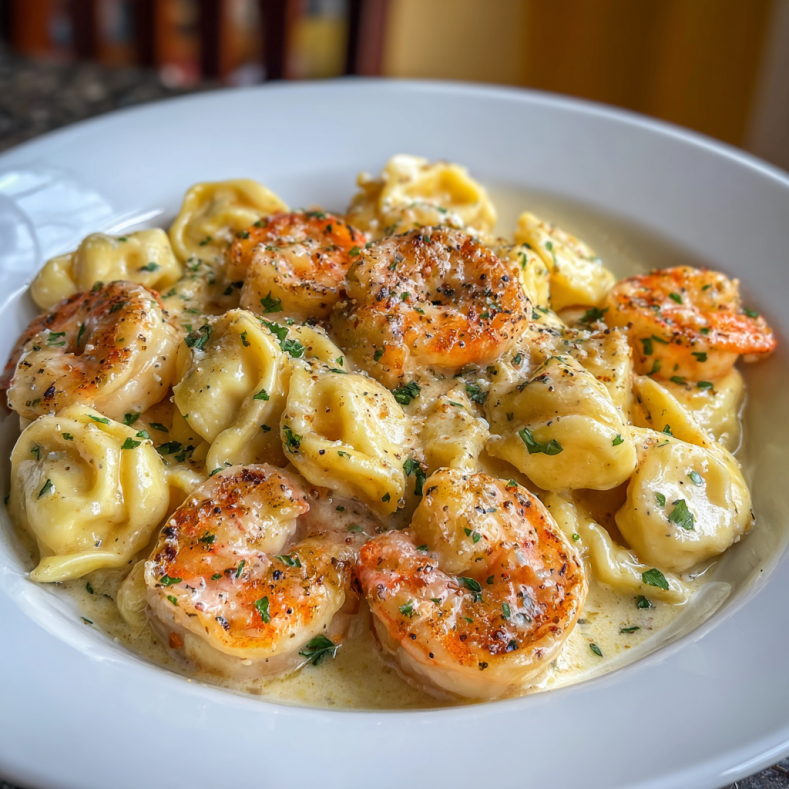
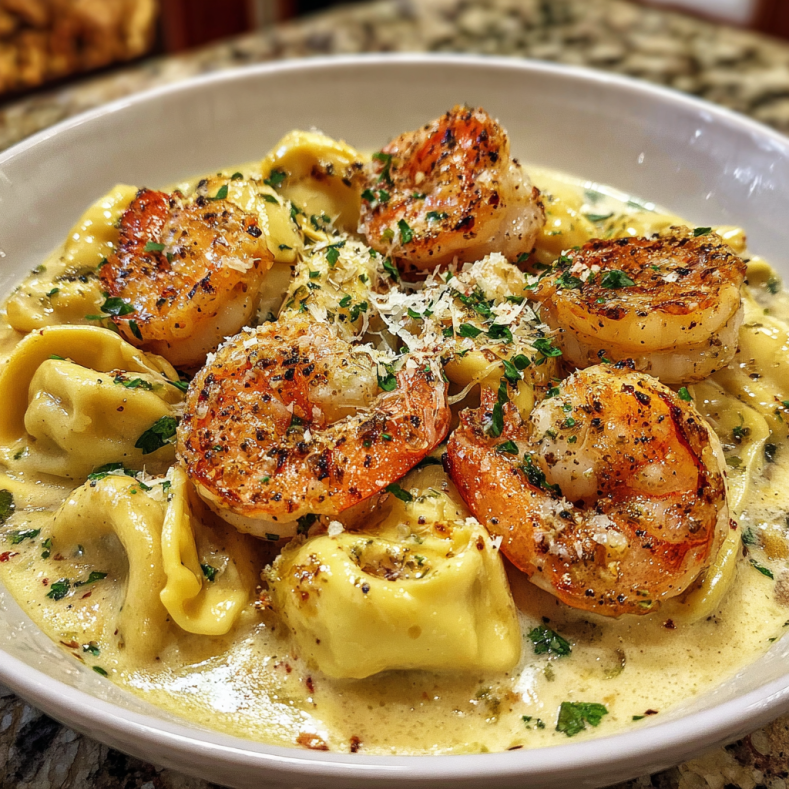
Picture this: tender shrimp tortellini nestled in silky lemon garlic cream sauce, topped with fresh herbs and a sprinkle of Parmesan. The bright citrus cuts through rich cream. The garlic adds warmth. Each bite delivers restaurant elegance with home-cooked comfort.
This isn’t just pasta. It’s the meal that makes Tuesday feel like date night. It’s the recipe that impresses guests while requiring minimal effort. It’s the dish that tastes like you spent hours but takes only thirty minutes.
Creamy shrimp pasta walks the perfect line between indulgent and fresh. The lemon keeps it from feeling heavy. The tender shrimp adds protein and sophistication. The cheese-filled tortellini creates satisfaction in every forkful.
Whether you’re planning a romantic dinner for two, hosting friends, or simply treating yourself to something special, this easy seafood dinner delivers. It looks impressive. It tastes incredible. And it comes together faster than ordering takeout.
Let’s create some restaurant-quality magic in your kitchen.
Why You’ll Love This Shrimp Tortellini Recipe
Fresh Flavors That Shine
The lemon garlic cream sauce is the star here. Bright lemon juice balances rich cream perfectly. Fresh garlic adds aromatic depth without overwhelming. The combination tastes clean, not heavy.
Unlike many cream sauces that feel cloying, this one refreshes your palate. Each bite makes you want another. The citrus keeps everything light and vibrant. You can enjoy a full plate without feeling weighed down.
Fresh herbs—parsley and basil—add final brightness. They provide color and a subtle herbal note that complements without competing. Every element works in harmony.
Quick Enough for Weeknights
This easy seafood dinner takes about 30 minutes start to finish. The tortellini cooks quickly. The shrimp cook in minutes. The sauce comes together while everything else happens.
There’s minimal prep work. Mince garlic, zest lemon, chop herbs. That’s it. The actual cooking is straightforward and forgiving. Even beginner cooks succeed with this recipe.
You can have this on the table faster than delivery. And it tastes exponentially better. That convenience-to-quality ratio makes it a weeknight winner.
Elegant Without Effort
This dish looks and tastes like something from an Italian restaurant. The presentation is naturally beautiful. Pink shrimp, golden sauce, green herbs—it photographs like a dream.
Serve it on white plates with a glass of white wine. Light some candles. Suddenly your dining room feels like a bistro. The ambiance elevates the entire experience.
Yet the effort required is minimal. No complicated techniques. No special equipment. Just good ingredients combined thoughtfully. That’s the definition of smart cooking.
Endlessly Adaptable
The base recipe welcomes variations. Add spinach for greens. Include mushrooms for earthiness. Swap shrimp for chicken or scallops. Adjust the lemon to your taste preference.
This flexibility means you’ll make it repeatedly without boredom. Each version feels slightly different. The technique remains the same. You’re building a versatile skill, not just following one recipe.
Dietary modifications work too. Use dairy-free cream. Choose whole wheat tortellini. Reduce cheese or add more. The recipe accommodates without losing its essential character.
Essential Ingredients for Perfect Shrimp Tortellini
The Protein Stars
For the Shrimp:
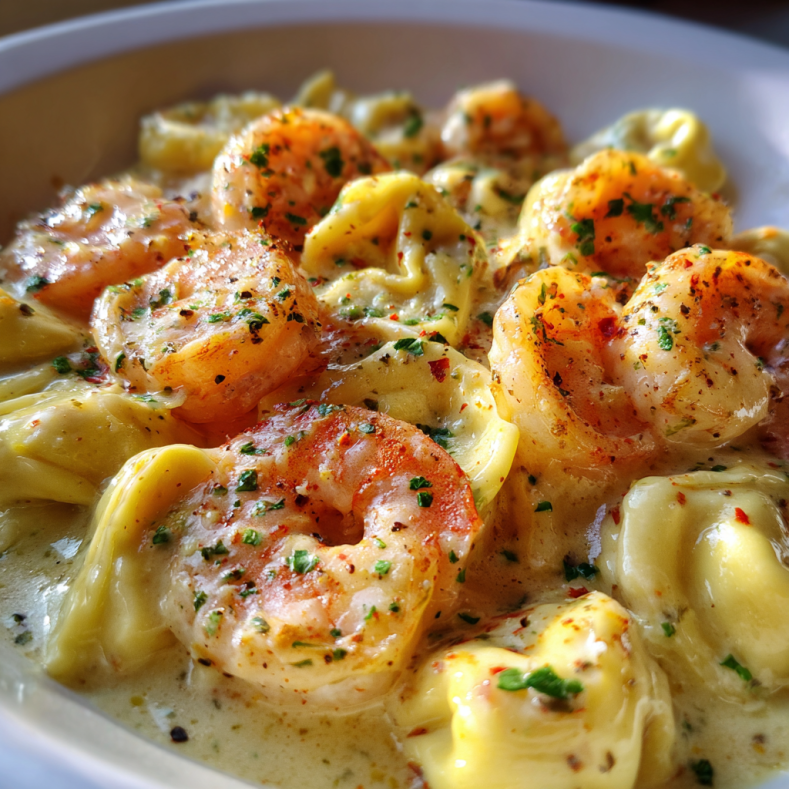
- 1 pound large shrimp, peeled and deveined (16-20 count)
- 2 tablespoons olive oil
- Salt and pepper to taste
- 1/2 teaspoon paprika (adds color and mild flavor)
- Pinch of red pepper flakes (optional)
Large shrimp look more impressive and cook evenly. They stay tender when cooked properly. Buy them already peeled and deveined to save time and hassle.
Fresh shrimp taste best but frozen work perfectly. Just thaw them properly. More on that in the FAQ section below.
The Pasta Base
For Substance:
- 1 pound cheese tortellini (fresh or frozen)
- 3 tablespoons butter
- 6 cloves garlic, minced (don’t skimp on garlic here)
- Zest of 1 lemon
- Juice of 1 lemon (about 3 tablespoons)
- 1/2 cup white wine or chicken broth
Cheese tortellini is traditional and delicious. The ricotta or cheese filling complements the cream sauce beautifully. Fresh tortellini cooks faster and tastes slightly better. Frozen works wonderfully too.
The white wine adds acidity and depth. It’s not essential but recommended. Chicken broth substitutes adequately if you prefer to skip alcohol.
The Creamy Sauce
For Luxury:
- 1 1/2 cups heavy cream
- 1/2 cup grated Parmesan cheese, plus more for serving
- 1/4 teaspoon nutmeg (secret ingredient for depth)
- Salt and white pepper to taste
- 2 tablespoons fresh parsley, chopped
- Fresh basil leaves for garnish
Heavy cream creates that silky, coating texture. Half-and-half works in a pinch but produces a thinner sauce. For best results, use heavy cream.
Freshly grated Parmesan melts smoothly into the sauce. Pre-grated doesn’t melt as well and can make the sauce grainy. Invest the two minutes to grate fresh.
The tiny amount of nutmeg adds warmth without being identifiable. It’s a classic Italian technique for cream sauces. Don’t skip it.
Step-by-Step Cooking Instructions
Preparing the Ingredients
Bring a large pot of salted water to boil for the tortellini. Meanwhile, prep your ingredients. Pat shrimp completely dry with paper towels. Moisture prevents proper searing.
Season shrimp with salt, pepper, and paprika. Mince garlic finely—large chunks burn easily. Zest lemon before juicing. Chop herbs. Having everything ready makes cooking smooth and stress-free.
Prepare a large bowl near the stove. You’ll need it to temporarily hold cooked components. This keeps everything organized as you build the dish.
Cooking the Tortellini
Cook tortellini according to package directions. Fresh typically takes 3 to 4 minutes. Frozen takes 5 to 7 minutes. They should be tender but still have slight bite.
Reserve 1 cup of pasta water before draining. This starchy water is gold for adjusting sauce consistency later. Always save some when making pasta.
Drain tortellini but don’t rinse. The residual starch helps sauce cling better. Set aside while you cook the shrimp and make the sauce.
Searing the Shrimp
Heat olive oil in a large skillet over medium-high heat. When the oil shimmers, add shrimp in a single layer. Don’t overcrowd—work in batches if necessary.
Cook for 2 minutes per side until pink and opaque. They should have a nice golden sear. Overcooked shrimp become rubbery, so watch carefully. Remove to a plate immediately when done.
The residual heat will continue cooking them slightly. Slightly underdone is better than overdone. They’ll warm through when you add them back to the finished dish.
Building the Sauce
Reduce heat to medium. Add butter to the same skillet. Once melted, add minced garlic. Sauté for 30 to 60 seconds until fragrant. Watch carefully—burned garlic tastes bitter.
Add white wine or broth. Scrape the bottom of the pan with a wooden spoon. Those brown bits (fond) add incredible flavor. Let the liquid simmer for 2 minutes to reduce slightly.
Add heavy cream, lemon zest, and lemon juice. Stir to combine. Let it simmer gently for 3 to 4 minutes. The sauce will thicken slightly. Stir occasionally to prevent scorching.
Finishing and Serving
Reduce heat to low. Stir in Parmesan cheese until melted. Add nutmeg, salt, and white pepper. Taste and adjust seasoning. The sauce should taste bright, creamy, and balanced.
Add cooked tortellini to the sauce. Toss gently to coat. If the sauce seems too thick, add reserved pasta water a tablespoon at a time. The water loosens it while maintaining creaminess.
Return cooked shrimp to the pan. Toss everything together gently. Heat for just 1 minute to warm the shrimp. Don’t cook them further.
Transfer to serving bowls or plates. Garnish with fresh parsley, torn basil, and extra Parmesan. Serve immediately while hot and creamy.
Delicious Variations to Try
Chicken Instead of Shrimp
Replace shrimp with 1 pound of chicken breast cut into bite-sized pieces. Season with Italian herbs. Cook in the olive oil until golden and cooked through, about 6 to 8 minutes.
Chicken creates a milder, equally delicious version. It’s also typically more budget-friendly than shrimp. The lemon garlic cream sauce works beautifully with chicken.
Spinach and Mushroom Addition
Add 2 cups of fresh baby spinach and 8 ounces of sliced mushrooms. Sauté mushrooms with the garlic until golden. Add spinach right before the cream. It will wilt quickly.
This variation adds vegetables and makes the dish feel more substantial. The earthiness of mushrooms complements the cream beautifully. Spinach adds color and nutrition.
Scallop Luxury Version
Replace half the shrimp with sea scallops. Pat scallops very dry. Sear in a hot pan until deeply golden, about 2 minutes per side. They develop a sweet, caramelized crust.
Scallops elevate this to special occasion status. They’re sweet, tender, and luxurious. Combined with shrimp, they create an impressive surf-and-surf dish.
Sun-Dried Tomato Variation
Add 1/2 cup of chopped sun-dried tomatoes packed in oil. Include them when you add the cream. They provide tangy sweetness that pairs perfectly with lemon and garlic.
Drain excess oil from the tomatoes first. Too much oil makes the sauce greasy. The tomatoes add beautiful color and concentrated tomato flavor without heaviness.
Serving Ideas for Complete Meals
Classic Italian Accompaniments
Serve this creamy shrimp pasta with warm garlic bread. The bread is perfect for soaking up extra sauce. Every drop is too delicious to waste.
Add a simple arugula salad dressed with lemon vinaigrette. The peppery greens and bright dressing balance the rich pasta. Together, they create a restaurant-worthy meal.
Finish with a light dessert like lemon sorbet or Italian cookies. Keep it simple so the pasta remains the star of the show.
Wine Pairing Perfection
Pour a crisp white wine alongside this dish. Pinot Grigio offers clean acidity that cuts through cream. Sauvignon Blanc provides citrus notes that echo the lemon.
Chardonnay works if you prefer richer wine. Choose an unoaked version for better balance. The wine shouldn’t compete with the cream sauce.
For non-drinkers, sparkling water with lemon is refreshing. The bubbles cleanse the palate between bites. Simple elegance.
Romantic Dinner Setup
Plate individual portions on white dishes. Garnish generously with fresh herbs and cheese. The presentation matters when you’re setting a mood.
Light candles. Pour the wine. Put on soft music. This shrimp tortellini transforms an ordinary evening into something memorable. The effort-to-impression ratio is unbeatable.
Storage and Reheating Tips
Storing Leftovers
Transfer cooled pasta to an airtight container. Refrigerate for up to 2 days. The sauce thickens considerably when cold. This is normal and fixable when reheating.
Cream sauces don’t keep as long as tomato-based sauces. Plan to eat leftovers within 48 hours for best quality and safety. Seafood has a shorter shelf life than other proteins.
Don’t leave at room temperature more than 2 hours. Bacteria grow quickly in cream-based dishes. Refrigerate promptly after the meal.
Reheating Without Ruining
Add a splash of milk or cream to the pasta before reheating. This loosens the sauce, which thickened during refrigeration. Stir to incorporate.
Reheat gently on the stovetop over low heat. Stir frequently to prevent scorching. High heat can cause the cream to separate or the shrimp to become rubbery.
Microwave works for individual portions. Use 50% power. Heat in 1-minute intervals, stirring between each. Add liquid as needed to maintain creamy texture.
The shrimp will be less tender than when fresh. Cream sauces also never quite recapture their original silkiness. Reheated pasta is good but not as spectacular as fresh.
Freezing Considerations
Cream sauces don’t freeze well. The dairy separates when thawed. The texture becomes grainy and unpleasant. Shrimp also suffer textural changes when frozen in sauce.
If you must freeze, do it without the cream sauce. Cook and freeze shrimp and tortellini separately. Make fresh sauce when ready to serve.
This dish is best enjoyed fresh. The quick cooking time makes it easy to prepare on demand rather than relying on freezer meals.
Pro Tips for Restaurant-Quality Results
Don’t overcook the shrimp. Two minutes per side is plenty. They continue cooking from residual heat. Overcooked shrimp are rubbery and unpleasant.
Use fresh lemon juice. Bottled lemon juice tastes flat and chemical. Fresh juice provides brightness that makes this dish shine. Always use fresh.
Add pasta water to adjust sauce. The starchy water loosens sauce while maintaining body. Plain water thins too much. Always reserve pasta water.
Grate Parmesan fresh. Pre-grated cheese contains anti-caking agents. These prevent smooth melting and create grainy sauce. Fresh-grated cheese melts silkily.
Taste and adjust before serving. Every lemon varies in acidity. Taste your sauce. Need more brightness? Add lemon. Too sharp? Add cream. Balance is key.
Conclusion: Date Night in the Kitchen
Shrimp tortellini in lemon garlic cream sauce proves you don’t need reservations for an elegant meal. Sometimes the best dining experiences happen at home, where you control the ingredients, set the atmosphere, and enjoy without rushing.
This creamy shrimp pasta delivers restaurant quality with home-kitchen simplicity. The bright, fresh flavors feel indulgent without heaviness. The quick preparation means you spend less time cooking and more time enjoying.
Whether it’s a Tuesday or a celebration, this dish elevates the moment. Light those candles. Pour that wine. Plate it beautifully. You’ve created something special.
The best part? No traffic. No waiting for tables. No expensive check. Just you, someone you love (or just yourself), and a plate of pasta that tastes like celebration.
So grab those shrimp and tortellini. Make something beautiful tonight.
Frequently Asked Questions
Can I use frozen shrimp for this recipe?
Absolutely! Frozen shrimp work perfectly for shrimp tortellini. In fact, most “fresh” shrimp at grocery stores were previously frozen. Buying frozen is often fresher.
Thaw shrimp properly for best results. Place in the refrigerator overnight. For quick thawing, put them in a colander under cold running water for 10 to 15 minutes.
Pat thawed shrimp completely dry before cooking. Excess moisture prevents proper searing. Dry shrimp get that beautiful golden color. Wet shrimp steam instead.
Buy already peeled and deveined frozen shrimp. This saves significant prep time. Look for 16-20 count per pound for ideal size.
What kind of tortellini works best?
Cheese tortellini is traditional and works beautifully. The ricotta or mixed cheese filling complements the cream sauce perfectly. It’s the classic choice.
Fresh tortellini from the refrigerated section tastes slightly better and has superior texture. It cooks faster too—usually 3 to 4 minutes. If available, choose fresh.
Frozen tortellini works wonderfully and costs less. It takes slightly longer to cook, about 6 to 8 minutes. The texture is still excellent. Most home cooks use frozen.
Avoid dried tortellini from the shelf-stable pasta aisle. It takes too long to cook and has inferior texture. Stick with fresh or frozen for best results.
Can I make this without heavy cream?
You can modify, though the sauce won’t be quite as rich. Half-and-half creates a lighter sauce that’s still delicious. Use the same amount and cooking method.
For even lighter versions, use milk thickened with a bit of cornstarch. Mix 1 tablespoon cornstarch with 2 tablespoons cold milk. Add to the sauce and simmer until thickened.
Greek yogurt mixed with a bit of pasta water creates tangy creaminess. Add it off heat and warm gently. Don’t boil or it will curdle.
Cashew cream provides dairy-free richness. Blend soaked cashews with water until silky. Use as you would heavy cream. The flavor is slightly different but delicious.
How do I prevent the lemon garlic cream sauce from curdling?
Use gentle heat once cream is added. High heat causes proteins in dairy to coagulate and separate. Keep the flame on medium-low after adding cream.
Add cheese off heat or on very low heat. High heat makes cheese proteins seize up. The sauce becomes grainy instead of smooth.
Add acid (lemon juice) after the sauce has thickened. Adding it too early while heat is high increases curdling risk. Timing matters.
Don’t let the sauce boil once cream is added. A gentle simmer is perfect. Vigorous boiling breaks the emulsion and causes separation.
If sauce does separate, try whisking in a tablespoon of cold cream. Sometimes this brings it back together. Prevention is easier than fixing, though.
Can I reheat shrimp pasta without making it rubbery?
Gentle heat is crucial. Use low heat on the stovetop or 50% power in the microwave. High heat toughens the shrimp quickly.
Add liquid before reheating. Mix in a splash of cream, milk, or even pasta water. This loosens the sauce and creates steam that heats gently.
Remove from heat while shrimp are just warmed through. Don’t cook them again—just warm them. Overheating is what creates rubber texture.
Consider removing shrimp before reheating. Warm the pasta and sauce first. Add cold shrimp at the end. The hot sauce warms them without overcooking.
Honestly, easy seafood dinner recipes like this are best enjoyed fresh. The texture of reheated shrimp and cream sauce never quite matches the original. Make only what you’ll eat when possible.